
UCAM
Universidad Católica San Antonio de Murcia
Campus de Murcia, Av. de los Jeronimos, 135,
Guadalupe 30107 (Murcia) - España
Tlf: (+34) 968 27 88 00
info@ucam.edu


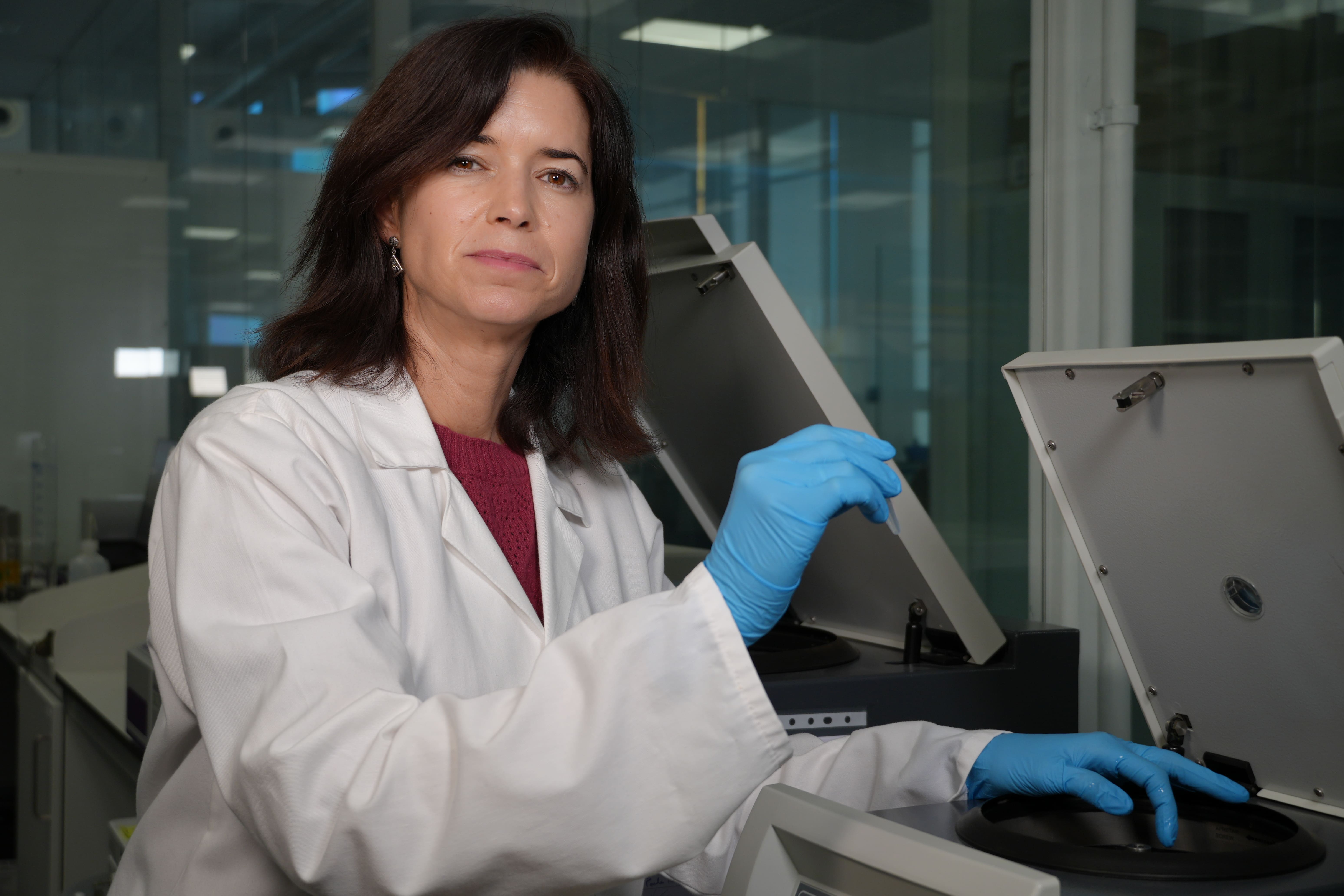
A study with the participation of the Catholic University of Murcia (UCAM), published in the journal Nature Communications, reveals the presence of bacteria with as yet undetected antibiotic resistance detected in wastewater from 111 countries.
A new international analysis of raw sewage - coordinated by the Global Sewage Consortium network and promoted, among others, by UCAM researcher Isabel Martínez Alcalá - has identified signs of bacteria carrying antibiotic resistance genes that, although they have not yet been detected in human pathogenic bacteria, could become a health risk in the future.
The study analyzed a total of 1,240 samples from 351 cities in 111 countries. They examined bacterial DNA present in wastewater, which allowed detection of both known resistances and new genetic variants of resistance.
The results show that classical resistances - those already known to cause problems in hospital settings - are still present, especially in regions with intensive antibiotic use or health problems. But what is most disturbing is that emerging resistance mechanisms are globally distributed, not concentrated in specific regions or countries with a particular socioeconomic status. This suggests that the emergence of new resistances does not depend exclusively on the health or economic context, but also on the microbial diversity of the environment itself.
Local commitment and citizen responsibility
From the UCAM, Isabel Martínez Alcalá, a researcher in the GAIA group, stresses that, in the Region of Murcia, the wastewater treatment system manages to eliminate a good part of these resistance genes. Even so, she stresses the need for citizens to collaborate with a responsible use of antibiotics and a correct disposal of containers in the SIGRE points enabled.
What does this discovery mean for the future?
This study shows that antibiotic resistance is not a problem limited to hospitals or certain countries: it can emerge in any corner of the world, through wastewater. If these genes manage to transfer to pathogenic bacteria, they could open the door to infections that are more difficult - or impossible - to treat. Therefore, experts warn that it is not enough to improve medical treatment: coordinated, global and preventive action is essential, including environmental monitoring, sanitation, control of antibiotic use and social awareness.

